
Are you a website owner, small business owner or marketer looking to grow your online presence?
If you’re wondering how to improve website ranking and get your business noticed online, you’re in the right place. A higher website ranking means more visibility in search engine results, leading to more traffic, more leads and ultimately more business growth.
Understanding how to improve website ranking doesn’t require a degree in computer science or a huge marketing budget. What it does require is a solid grasp of SEO fundamentals and a commitment to implementing proven strategies consistently. This guide will walk you through practical, actionable steps that will help your website climb the search engine results and reach your business goals.
What is SEO and Why Does It Improve Website Ranking?
Search Engine Optimisation (SEO) is essentially about helping your website shine brightly in search engine results, particularly on Google where your potential customers are actively looking for what you offer. At its heart, SEO is about understanding both how search engines think and what your ideal clients are genuinely searching for, enabling you to craft content that truly serves their needs.
When you focus on thoughtful search engine optimisation, you’ll naturally attract more organic visitors to your site. These are the people who discover you through genuine search results rather than paid advertising, and they’re often the most valuable visitors because they’re actively looking for solutions you provide.
If you want to improve website ranking, SEO is the foundation. Successful SEO begins with careful keyword research which reveals exactly what terms your audience is using when they’re seeking solutions like yours. From this foundation, you can create genuinely helpful content that answers their questions and solves their real challenges.
However, effective SEO extends well beyond content creation. The technical side is equally vital. This means ensuring your website is structured in a way that search engines can effortlessly navigate and understand. Think of it as creating a beautifully organised shop that’s easy for both customers and search engines to explore.
When you blend solid technical foundations with quality, client focused content, you’re setting your site up for enhanced visibility, increased organic traffic and stronger rankings in search results. Simply put, SEO forms the cornerstone of building a robust online presence that genuinely connects with your audience and achieves your business objectives.
Understanding Website Traffic Sources
Websites are no longer created just for the purpose of having them. A website is now used primarily to get found, generate traffic and have more of your target audience engage with you. The number of visitors a website receives can determine its success and understanding where that traffic comes from is crucial when learning how to improve website ranking.
Traffic to your website typically comes from four main sources:
Direct Navigation happens when someone types your URL directly into their browser, uses a bookmark or clicks an email link without tracking codes. This traffic shows brand awareness and loyalty.
Referral Traffic comes from links across the web, social media platforms, trackable email campaigns and promotional links. Quality referral traffic indicates that other websites trust and value your content enough to link to it.
Organic Search is traffic from queries sent through any major or minor web search engines. This is the holy grail of website traffic because these visitors are actively looking for what you offer. Learning how to improve search engine ranking to capture this traffic is what this guide is all about.
PPC (Pay Per Click) traffic comes from sponsored ads that are triggered by targeted keywords. Whilst PPC can deliver quick results, organic search provides sustainable, long term traffic without the ongoing advertising costs.
Understanding these traffic sources helps you see why improving your website ranking in organic search results is so valuable. Organic traffic is free, targeted and sustainable, making it one of the most cost effective marketing channels available to your business.
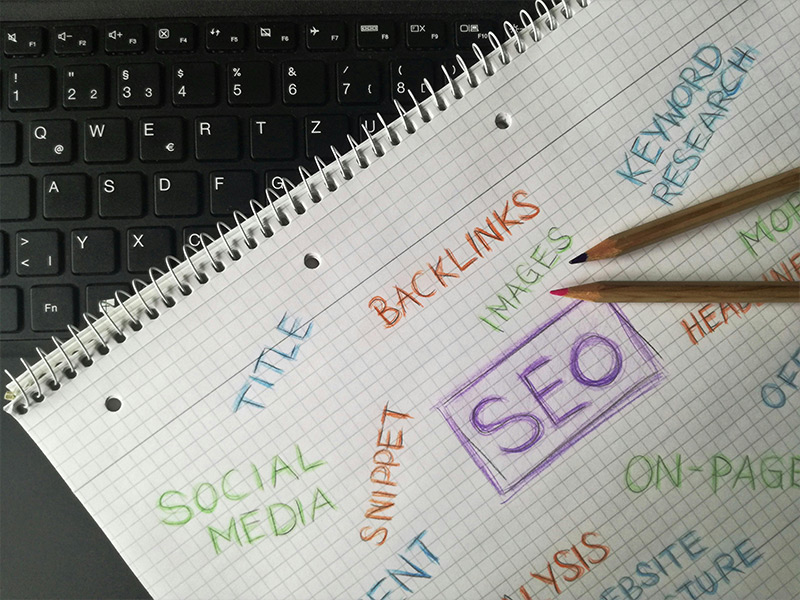
Key Types of SEO: On-Page, Off-Page and Technical
To improve website ranking effectively, it’s important to understand the three main types of SEO and how they work together:
On Page SEO involves optimising elements directly on your website such as titles, headings, images and content to ensure they are relevant and aligned with your target keywords. This is about making each page as clear and valuable as possible for both visitors and search engines. When you optimise on page elements properly, search engines can easily understand what your page offers and match it to relevant searches.
Off Page SEO focuses on building your website’s authority through high quality and relevant backlinks from other reputable sites. Think of backlinks as votes of confidence from other websites. The more high quality and relevant backlinks your website has, the more search engines trust your content and the higher you’re likely to rank. However, quality matters far more than quantity. A single link from a respected industry website is worth more than dozens of links from low quality directories.
Technical SEO involves optimising the technical aspects of your website to improve its performance in search engines. This includes factors such as page loading speed, mobile responsiveness, site structure and overall navigation. Technical SEO ensures that search engines can crawl and index your site efficiently whilst providing visitors with a smooth, fast experience.
Conducting thorough keyword research aligns your content with user search terms and intent, which is a critical part of both on page and off page SEO. When you understand what people are actually searching for, you can create content that directly addresses their needs and questions.
With these foundations in mind, let’s move on to building an effective SEO strategy.
Setting an SEO Strategy to Improve Search Engine Ranking
Building an effective SEO strategy begins with understanding exactly what you’re hoping to achieve for your business. Here’s a step by step approach to setting your SEO strategy:
Define Your Objectives
Start by establishing clear, measurable objectives. Are you looking to attract more organic visitors, climb those search engine rankings or connect with a completely new audience? Perhaps you want to increase enquiries, boost sales or establish thought leadership in your industry. Setting specific goals will help guide your SEO efforts and give you benchmarks to measure success.
Conduct Keyword Research
Comprehensive keyword research is essential when learning how to improve website ranking. You need to identify the specific terms your potential customers are actually searching for. Use tools like Google’s Keyword Planning Tool or Ahrefs’ keyword rank checker to find relevant keywords that match your business offerings and have reasonable search volumes.
Don’t just chase high volume keywords. Often, longer, more specific phrases (known as long tail keywords) deliver better results because they’re less competitive and attract visitors with clearer intent. For instance, “website design agency Hertfordshire” is more specific and valuable than just “website design”.
Build Strong Technical Foundations
Ensure your website works beautifully on mobile devices, loads swiftly and offers visitors an intuitive experience. Technical SEO involves optimising aspects such as site speed, mobile responsiveness and navigation. These factors can significantly impact your website’s ranking because search engines prioritise sites that deliver excellent user experiences.
Check that your site structure makes sense, with clear navigation and logical page hierarchies. Make sure your XML sitemap is submitted to Google Search Console and that there are no technical errors preventing search engines from crawling your site properly.
Track Performance and Refine Continuously
Use trusted tools like Google Search Console and Google Analytics to monitor your site’s performance. Track your search rankings, identify which pages are bringing you the most valuable traffic and spot any issues early.
SEO isn’t a one time project. It’s an ongoing process of refinement and improvement. Consistently review and refine your SEO strategy based on real data and stay ahead of Google’s evolving algorithms. What works today might need adjustment tomorrow, so regular monitoring is essential.
With your strategy in place, let’s look at specific tactics to boost website ranking.
Transform Your Online Presence
Partner with Lemongrass Media for bespoke website design, branding and innovative digital solutions tailored to your business.
10 Proven Ways to Improve Website Ranking
1. Consistently Add Fresh, Relevant Content
One of the most effective ways to improve website ranking is through consistent content creation. Search engines love websites that regularly publish fresh, valuable content because it signals that the site is active and authoritative.
Set a realistic schedule for producing content and stick to it. Whether it’s weekly blog posts, monthly industry insights or quarterly guides, consistency builds trust with both search engines and your audience. The more quality content you produce, the more search queries your website can potentially rank for.
Writing content that is both high quality and relevant to your website’s goals is essential. Focus on topics that genuinely help your audience, answer their questions and solve their problems. This approach not only improves your rankings but also positions you as an expert in your field.
2. Optimise Your URLs for Better Visibility
Both search engines and people prefer websites to have consistent, easy to read URLs. Complicated URLs can create problems for both audiences and make it harder to improve Google ranking.
For example, avoid complicated URLs like:
https://www.sampleshop.co.uk/static/Browse/ID72/14418875/c_1/1%7Ccategory_root%7CGarden.htm
Instead, create clear, simple and descriptive URLs such as:
https://www.lemongrassmedia.co.uk/how-to-improve-website-ranking
Clear URLs help both users and search engines understand what your page is about at a glance. Include your target keyword in the URL where it makes sense, keep URLs short and use hyphens to separate words.
3. Eliminate Duplicate Content
Duplicating content across your website is bad practice and can seriously harm your efforts to improve search engine ranking. Search engines struggle to determine which version of duplicate content to rank, often resulting in neither version ranking well.
If you have many pages with similar content, consider expanding each page to make it unique or consolidating the pages into one comprehensive resource. For instance, if you have separate pages for similar services with largely identical information, you could either merge them into one detailed page or expand each to contain genuinely unique, valuable content.
Regularly audit your site for duplicate content using tools like Screaming Frog or Siteliner. Address any issues promptly to ensure search engines can clearly identify your most important pages.
4. Leverage Social Sharing to Increase Visibility
Getting social referrals can boost website traffic and indirectly help improve website ranking. While social signals aren’t a direct ranking factor, the increased visibility and traffic from social sharing can lead to more backlinks and engagement, which do influence rankings.
Include social sharing buttons on key pages, blog posts and after valuable content interactions. Default social sharing buttons should include Facebook and Twitter but can also include LinkedIn, Instagram or Pinterest depending on which platforms your audience uses most.
Button placement should be unobtrusive and carefully aligned with your content. Placing them at the bottom of blog posts or at the top of your footer works well. Make it easy for satisfied visitors to share your content with their networks.
5. Create Effective Title Tags with Target Keywords
Title tags are one of the most important on page SEO elements. They appear at the top of your HTML inside the head section and tell both users and search engines what your page is about. The page title is what appears in browser tabs and search engine results, so it’s critical for both rankings and click through rates.
Your title tag should contain your target keyword, ideally near the beginning, but it must also be compelling and natural. Avoid keyword stuffing. Instead, craft titles that accurately describe your content whilst encouraging clicks.
Keep title tags under 60 characters to ensure they display properly in search results. Each page should have a unique title tag that reflects its specific content. For example, this article’s title tag is “How to Improve Website Ranking: 10 Simple SEO Tips That Work” which includes the target keyword whilst clearly communicating value.
6. Write Compelling Meta Descriptions
Whilst meta descriptions don’t directly impact rankings, they significantly influence click through rates, which can indirectly help improve website ranking. A good meta description acts as advertising copy for your page in search results.
Your meta description should accurately summarise the page’s content in 150-160 characters, include your target keyword naturally and entice users to click through to your website. Think of it as your opportunity to convince someone that your page has exactly what they’re looking for.
Sometimes Google will rewrite your meta description based on the search query, but providing a well crafted description gives you the best chance of controlling how your page appears in search results.
7. Optimise Technical SEO Elements
Technical SEO involves optimising the technical aspects of your website to improve its performance in search engines. This is crucial when learning how to improve search engine ranking because even the best content won’t rank if search engines can’t properly crawl and index your site.
Site Speed is critical. Your site needs to load swiftly to provide a good user experience and satisfy search engine requirements. Slow loading sites frustrate visitors and negatively impact rankings. Regularly check your site’s speed using Google PageSpeed Insights and optimise images, scripts and hosting as needed.
Meta and Header Tags provide structure and context to your content. Use clear, descriptive H1, H2 and H3 tags that include your target keywords naturally. Proper heading hierarchy helps search engines understand your content structure.
Structured Data provides extra context that helps search engines understand your content better. Implementing schema markup can enhance your listings in search results with rich snippets, potentially improving click through rates.
Mobile Responsiveness is non negotiable. With mobile first indexing, Google primarily uses the mobile version of your site for ranking. Ensure your site works flawlessly on all devices.
8. Prioritise Mobile Optimisation
In today’s digital landscape where mobile browsing has become the norm, ensuring your website delivers an exceptional mobile experience is fundamental to improving website ranking. Google uses mobile first indexing, meaning it primarily looks at the mobile version of your site when determining rankings.
A thoughtfully optimised mobile site seamlessly adapts to various screen sizes, delivers swift loading times and provides intuitive navigation that genuinely serves your visitors’ needs.
To maximise your mobile performance, ensure text is readable without zooming, buttons and links are easy to tap, images are compressed for faster loading and the overall design adapts smoothly to different screen sizes. Test your site regularly on actual mobile devices to catch any issues that might not be apparent in desktop testing.
When you prioritise mobile optimisation, you’re not just reaching more users, you’re creating meaningful connections that drive engagement and establishing a stronger, more competitive position in search results.
9. Build Quality Backlinks
Building high quality backlinks remains one of the most effective ways to improve website ranking. Backlinks act as votes of confidence from other websites, telling search engines that your content is valuable and trustworthy.
Focus on earning links from reputable, relevant websites in your industry. A single link from an authoritative industry publication is worth more than dozens of links from low quality directories or unrelated sites.
Ways to build quality backlinks include creating genuinely valuable content that others want to link to, guest posting on respected industry blogs, getting featured in industry publications, creating original research or data that others cite and building relationships with other businesses and organisations in your sector.
Avoid buying links or participating in link schemes, as these tactics can result in penalties that harm your rankings. Focus instead on creating content worth linking to and building genuine relationships within your industry.
10. Implement Strategic Internal Linking
Internal linking is one of those clever SEO tactics that many business owners overlook. When you link to other pages within your own website, you’re creating a helpful roadmap for both visitors and search engines.
Use clear, descriptive anchor text that makes sense to people, pointing them towards content that genuinely adds value to their experience. For example, rather than “click here”, use “learn more about professional website design”.
From a search engine perspective, internal links help Google understand how your pages relate to each other and which content matters most. This thoughtful approach often leads to better visibility in search results. For visitors, well placed internal links transform their browsing experience, making it effortless to discover related information and encouraging them to explore more of what you offer.
Include links to your key service pages, related blog posts and important resources throughout your content. This not only helps with SEO but also guides visitors towards conversion actions.
Your Digital Success Starts Here
Whether you’re a business or a school, our tailored website solutions ensure your online presence shines.
Measuring Success: How to Track Your Progress
Knowing how to improve search engine ranking is only half the battle. You also need to track your progress to understand what’s working and what needs adjustment.
Use Google Search Console to monitor your search performance, including which keywords you’re ranking for, your average position for different queries and your click through rates. This tool also alerts you to technical issues that might be holding back your rankings.
Google Analytics shows you where your traffic comes from, how visitors behave on your site and which pages perform best. Look for increases in organic traffic, improvements in engagement metrics like time on page and bounce rate, and ultimately growth in conversions.
Set up regular reporting, perhaps monthly or quarterly, to track key metrics over time. SEO is a long game and rankings can fluctuate, so look for overall trends rather than day to day changes.
Common Mistakes That Harm Website Ranking
As you work to increase website visibility, be aware of common mistakes that can undermine your efforts:
Keyword stuffing involves cramming too many keywords into your content unnaturally. This makes content unreadable and can result in penalties. Focus on writing naturally for humans first, incorporating keywords where they fit organically.
Ignoring mobile users is a critical error given Google’s mobile first indexing. If your site doesn’t work well on mobile devices, your rankings will suffer significantly.
Neglecting technical SEO means even great content might not rank because search engines can’t properly crawl and index your site. Regular technical audits are essential.
Buying links or participating in link schemes might offer short term gains but typically results in penalties that can take months or years to recover from. Focus on earning links naturally.
Forgetting about user experience is a mistake because Google increasingly prioritises sites that deliver excellent user experiences. Fast loading times, clear navigation and valuable content all contribute to better rankings.
How Long Does It Take to Improve Website Ranking?
One of the most common questions we hear is “How long will it take to see results?” The honest answer is that SEO is a long term strategy. You might see some improvements within a few weeks, but significant ranking improvements typically take three to six months of consistent effort.
Several factors influence how quickly you’ll see results, including how competitive your keywords are, how established your website is, the quality and quantity of your content, your site’s technical health and the strength of your backlink profile.
New websites generally take longer to rank than established ones. Highly competitive industries require more time and effort than niche markets. However, the long term benefits of improved organic rankings make the investment worthwhile.
The key is consistency. Websites that regularly publish quality content, maintain strong technical foundations and build authority over time see the best results. There are no shortcuts, but the sustainable traffic and business growth that comes from strong organic rankings makes the effort valuable.
Ready to Improve Your Website Ranking?
Learning how to improve website ranking doesn’t have to be overwhelming. Start with the fundamentals: create quality content consistently, ensure your site is technically sound, build your site’s authority through quality backlinks and always prioritise user experience.
Remember that SEO is an ongoing process, not a one time project. What works today might need adjustment tomorrow as search engines evolve and your industry changes. Stay informed about best practices, monitor your results regularly and be prepared to adapt your strategy based on what the data tells you.
If you need help with website design that’s built for SEO success from the ground up, or if you’d like expert guidance on improving your existing site’s rankings, we’re here to help. Our team understands how to create websites that not only look professional but also perform well in search results.
Get in touch with us today to discuss how we can help improve your website’s visibility and drive more valuable traffic to your business. Call us on 0800 690 6250 or email [email protected].
FAQ’s
How long does it take to improve website ranking?
Typically, you’ll start seeing some improvements within 3-6 months of consistent SEO efforts. However, highly competitive keywords may take longer, whilst less competitive terms might show results sooner. The key is maintaining consistent, quality efforts over time.
What’s the fastest way to improve Google ranking?
There are no legitimate shortcuts to improve Google ranking. The fastest legitimate approach is to focus on quick wins like fixing technical errors, optimising existing high performing pages, improving page speed and ensuring your site is mobile friendly, whilst simultaneously building a long term content and link building strategy.
Does website design affect SEO ranking?
Absolutely. Professional website design directly impacts SEO through factors like site speed, mobile responsiveness, user experience and technical structure. A well designed website makes it easier for search engines to crawl and index your content whilst providing visitors with a better experience.
How often should I update my website content to improve ranking?
Consistency matters more than frequency. Whether it’s weekly, fortnightly or monthly, choose a schedule you can maintain. Regularly updated websites signal to search engines that the site is active and authoritative, which can positively impact rankings.


